Is $8,400 to spray 4" closed cell foam on roofline a fair price?
Project Details
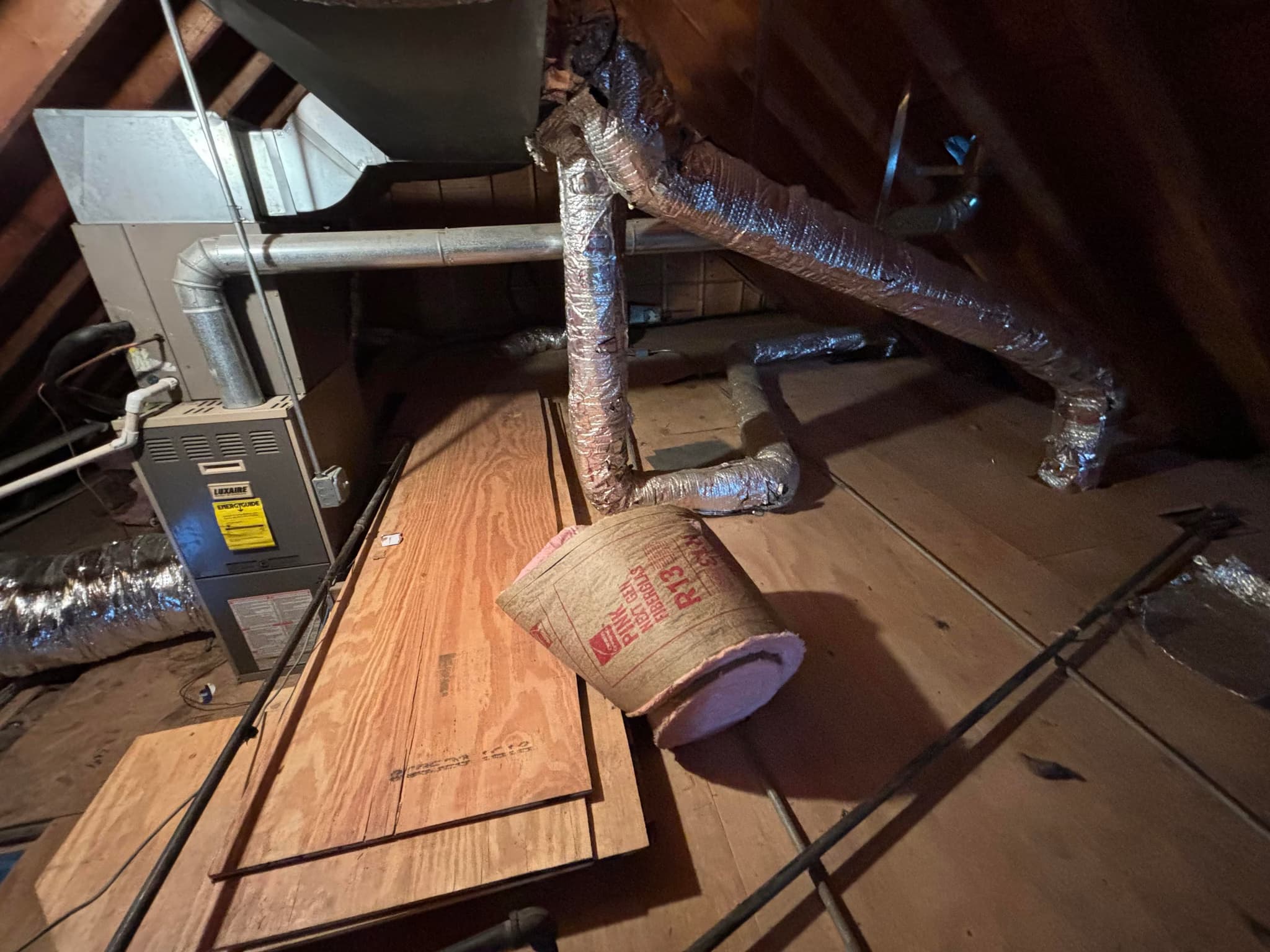
My wood frame house was built in the late 1800s. The upstairs furnace is located in the attic. Currently, there is only about 4-6 inches of pink fiberglass insulation under the plywood in the attic. Illinois recommends R49-60. I'm trying to decide if R30 or R38 is sufficient for roofline insulation and if I need to add 6-8 inch (R21-28) baffles on top of the plywood to increase the R-value. I'm also concerned about spraying directly to the roof and potential moisture control issues. The company mentioned they would be blocking off the soffit vents and roof caps, and I'm wondering if this is enough consideration to proceed with foam insulation. I'm also considering if I should do the aeroseal in combination with the spray foam.
Quote Details
This option involves spraying 4 inches of closed cell foam on the roofline to achieve an R30 insulation value. - Insulation Type: Closed cell foam - Application: Roofline - Thickness: 4 inches - R-Value Achieved: R30 - Ventilation: Soffit vents and roof caps will be blocked off
You say...
Vote Distribution
These ratings are not endorsed by Quote Critic. They are submitted by other Quote Critic users like you.
More Details
Category
Insulation
Price
$8,400
Quote Date
February 1, 2026
Location
Illinois
Year Built
1890
Insulation Type
Spray foam
R Value
R30
Comments
No comments yet
Sign in to share your thoughts and ask questions.
Similar Quotes
Spray foam attic with open-cell insulation
This option includes the removal of existing blown-in insulation and the application of open-cell spray foam insulation to the attic roof line. This type of foam is considered standard in the South due to its performance in hot-humid climates. It offers several benefits over closed-cell foam, including: - Safer Moisture Behavior: Allows the roof deck to dry inward and reveals roof leaks. - Avoids Structural Stress: Flexible and low-density, it does not shrink or pull on roof decking. - Better for Retrofit Fit & Air Sealing: Expands significantly (approx. 100x) to fill gaps completely. - Easier to Modify Later: Soft and easy to remove for future work. - More Cost-Effective: Achieves excellent thermal and air-sealing performance for significantly less money.
Insulate attic with 10" open cell spray foam and thermal paint
This option proposes insulating the attic roof slopes with 10 inches of open cell spray foam, followed by the application of thermal paint as an ignition barrier. - Insulation Type: Open cell spray foam- Insulation Thickness: 10 inches- Ignition Barrier: Thermal paint
Hot roof / closed cell spray foam method
Insulation and air sealing using a hot roof approach. - Vent/Re-vent 2 bathroom fans with rigid metal duct and R-5 insulation - Air seal sewer stack, floor penetrations, and interior wall top plates - Air seal sill boxes with 3 inches of closed-cell spray foam - Seal attic door with weather-stripping and 6 inches of Polyiso foam board - Insulate sloped ceilings with dense pack cellulose (282 SF) - Hot Roof Method: Insulate all 3 knee wall open joist roof deck cavities with 2.5-3 inches of closed-cell spray foam - Includes Focus On Energy instant incentive of $1,590